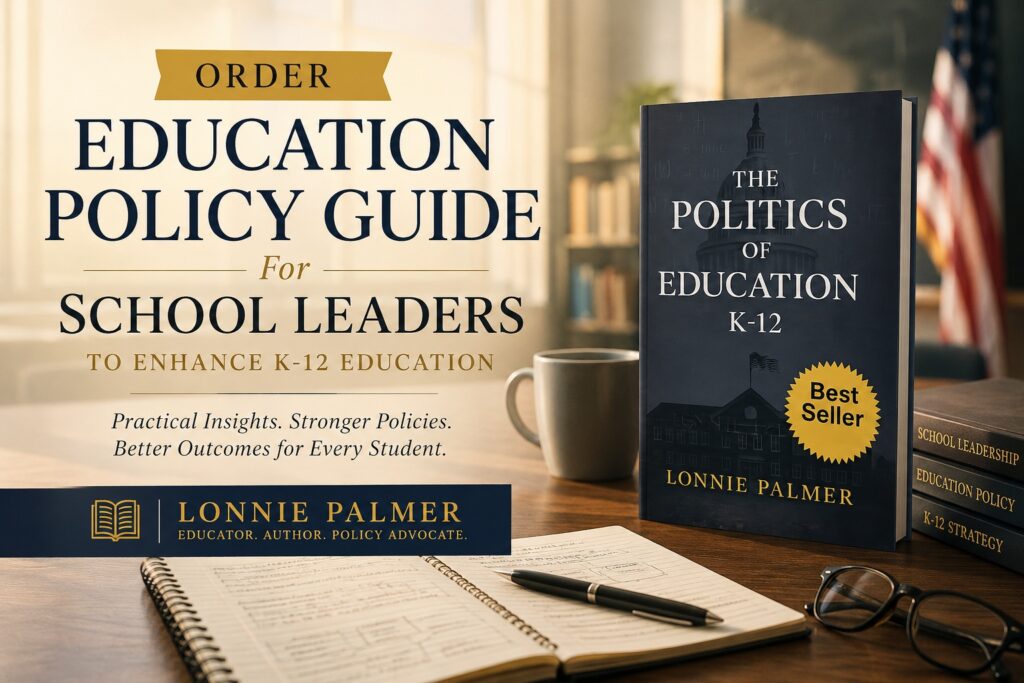
Order Education Policy Guide For School Leaders is a key resource for educational leaders aiming to navigate the complexities of K-12 education. This guide not only provides ideas into useful education policies but also equips school leaders with the knowledge required to implement these policies successfully. As the landscape of education continues to evolve, having a complete understanding of the politics surrounding education is key for making informed decisions.
Understanding the Importance of Education Policy in K-12 Schools
In addition, education policy plays a pivotal role in shaping the learning environment within K-12 schools. It influences everything from funding and resources to curriculum development and teacher training. By ordering the Politics of Education K-12, school leaders can gain a deeper understanding of the policies that impact their institutions.
Why School Leaders Need a Policy Guide
That said, school leaders face many challenges, including budget constraints, curriculum changes, and the need for useful teacher development. A well-structured policy guide provides actionable strategies and ideas that can help leaders tackle these challenges head-on. It serves as a roadmap for understanding the political dynamics that affect education, allowing leaders to advocate for their schools effectively.
Key parts of the Education Policy Guide
As a result, the Order Education Policy Guide For School Leaders covers several key parts that every school leader should be aware of. These include:
- Funding and Resources: Understanding how funding affects educational outcomes is key. For detailed ideas, refer to the Learning Policy Institute.
- Curriculum Development: The guide discusses best practices for developing a curriculum that meets state standards while catering to the needs of diverse learners.
- Teacher Training and Professional Development: useful professional development is key for teacher retention and student success. Explore more about teacher professional development.
- Community Engagement: Engaging with parents and the community is vital for fostering a supportive educational environment.
How Policies Affect Student Outcomes
In fact, research shows that well-implemented education policies can greatly improve student outcomes. According to the Education Data Initiative, schools that effectively allocate resources see higher graduation rates and improved test scores. By understanding these policies, school leaders can make informed decisions that benefit their students.
Strategies for Implementing useful Education Policies
On top of that, once school leaders have ordered the Education Policy Guide, the next step is setup. Here are some strategies to consider:
1. Assess Current Policies
With this in mind, begin by evaluating existing policies within your school. Identify areas that need improvement and align them with the ideas gained from the guide. This assessment will provide a clear picture of where changes are necessary.
2. Involve Stakeholders
Most importantly, engaging teachers, parents, and community members in the policy-making process fosters a sense of ownership and collaboration. It ensures that the policies reflect the needs and values of the community.
3. Monitor and Evaluate
At the same time, after implementing new policies, it is key to monitor their effectiveness. Regular evaluations will help you determine what is working and what needs adjustment. use data to inform your decisions and make necessary changes.
Resources for Further Learning
In addition to the Politics of Education K-12, there are several other resources available for school leaders:
- Education Reform Books for Teachers – A collection of insightful books that can aid in understanding educational reforms.
- Books on Improving Schools and Teaching – Explore literature focused on enhancing educational practices.
- Best-Selling Education Reform Books – Discover popular titles that offer helpful ideas into education reform.
- Buy Nonfiction Education Books with Real Stories – Engage with real-life narratives that highlight educational challenges and successes.
- Where to Buy Education Books Online – Find reliable sources for purchasing educational literature.
- Buy Book About Education Policy – Access more educational policy resources.
The Role of Data in Shaping Education Policies
In other words, data is a powerful tool in shaping useful education policies. By analyzing student performance data, school leaders can identify trends and areas for improvement. The Economic Policy Institute provides helpful ideas into educational inequalities that can inform policy decisions.
Utilizing Research for Policy Development
To be clear, research findings can guide school leaders in developing policies that address specific challenges. For instance, the Education Law Center offers research on educational equity that can help leaders advocate for necessary changes.
Conclusion: Empowering School Leaders Through Education Policy
Notably, ordering the Education Policy Guide For School Leaders is a key step toward empowering educational leaders. By understanding the intricacies of K-12 education policies, leaders can make informed decisions that positively impact their schools and communities. The ideas gained from the Politics of Education K-12 will serve as a helpful resource for navigating the ever-changing landscape of education.
After all, the guide aims to provide school leaders with ideas and strategies for navigating complex education policies, ensuring they can make informed decisions that positively impact their schools.
You can order the Education Policy Guide by visiting the Politics of Education K-12 page on Amazon.
Because of this, understanding education policy is key for school leaders as it influences funding, curriculum, and overall student outcomes. It enables leaders to advocate effectively for their schools.
First, there are many resources available, including books on education reform, online articles, and research studies. For a curated list, check out Education Reform Books for Teachers .
Next, data helps school leaders identify trends and areas for improvement, guiding them in making informed policy decisions that improve student outcomes.
Finally, common challenges include budget constraints, curriculum changes, and the need for useful teacher training. The Education Policy Guide addresses these issues and offers actionable strategies.
For detailed ideas into education funding and its impact, refer to the Education Data Initiative .