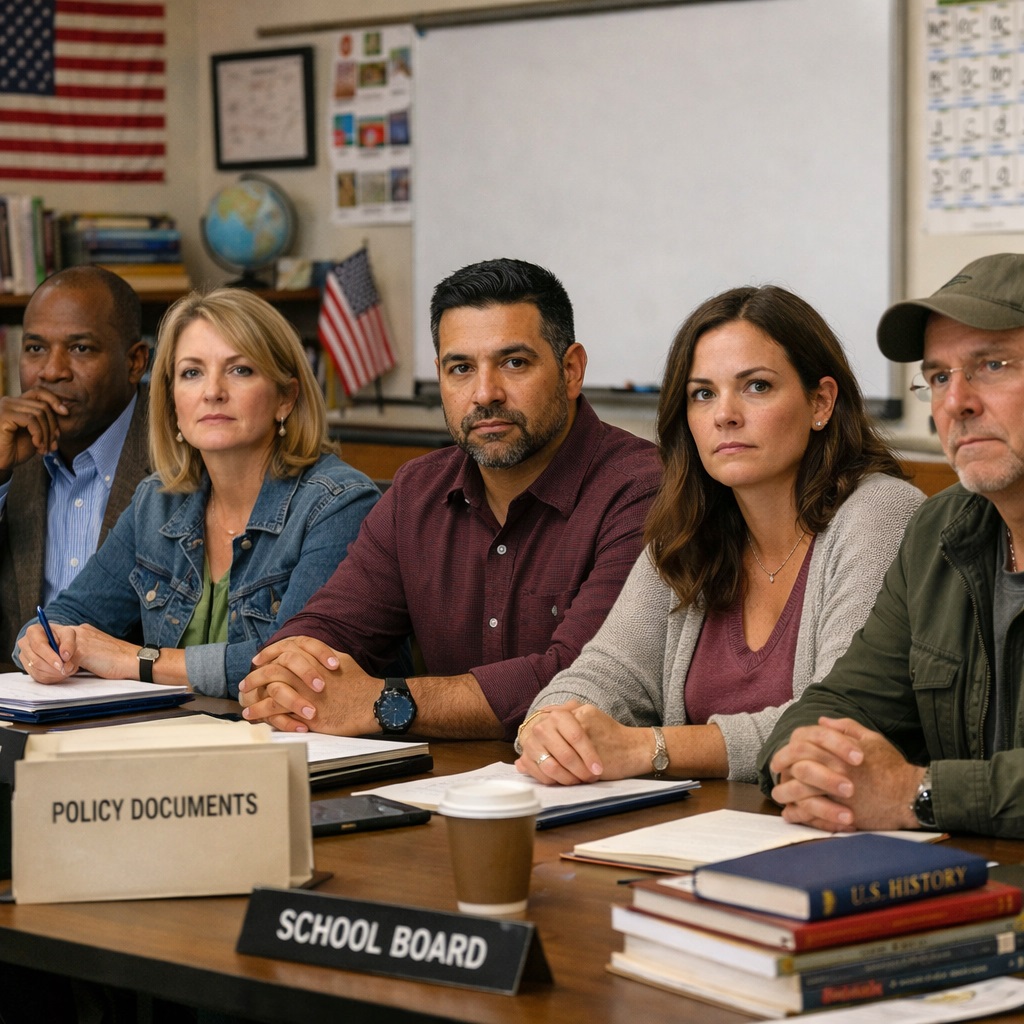
Across the United States, authors writing about education and politics are changing how parents, teachers, and communities understand what truly happens inside K–12 schools. In recent years, education has become one of the most discussed public issues, which has pushed many readers to look for clear and trustworthy voices.
As political influence over curriculum, funding, and reform continues to grow, readers are no longer satisfied with surface-level explanations. Instead, they want books that explain these changes in simple language and real-world terms. Because of this shift, books that connect education policy with classroom experiences are ranking higher in search results and gaining national attention.
Why Education and Politics Are Closely Linked
Public education is shaped by decisions made far beyond the classroom. For example, laws passed at the state and federal level affect what students learn, how schools are funded, and how teachers are evaluated.
Because of this connection, authors writing about education and politics often focus on topics such as:
- Education reform and policy changes
- Political influence on curriculum decisions
- School funding and resource gaps
- Teacher accountability and classroom control
- Government involvement in public schools
As a result, readers gain a better understanding of how policy decisions reach students and teachers at the local level.
What Readers Expect From Education and Politics Books
Today’s readers want clarity, balance, and honesty. Therefore, books that succeed in this space avoid complex academic language and focus on practical understanding.
In addition, strong books usually share common traits:
- Clear explanations written for everyday readers
- Real examples from schools and classrooms
- Balanced views instead of extreme opinions
- A focus on how policies affect real people
Because of this approach, these books often appeal to parents, educators, and community leaders alike.
How Authors Writing About Education and Politics Build Trust
The most respected authors in this space do not rely on theory alone. They bring readers into classrooms, school board meetings, and policy discussions through real stories.
Books that resonate tend to include:
- Firsthand classroom experiences
- Real consequences of political decisions
- Stories from teachers, students, and families
- Clear explanations without political jargon
This approach is why experience-based nonfiction continues to outperform purely academic titles.
A Modern Voice in Education and Political Discussion
Politics of Education: K–12 by Lonnie Palmer fits directly into this growing demand for honest, experience-driven insight. The book explores how political decisions impact classrooms by focusing on real situations rather than abstract ideology.
Readers looking for clarity around education reform, policy influence, and school decision making often gravitate toward books that reflect lived experience.
You can view the book here:
https://www.amazon.com/Politics-Education-K-12-Lonnie-Palmer-ebook/dp/B0FSSQGWZX
Recommended Resources for Readers Exploring Education Policy
If you are researching authors writing about education and politics, these resources provide deeper context and related perspectives:
- Best Books About Education Policy
- Buy Book on Politics in Education
- Buy Education Reform Book
- Buy Nonfiction Education Books With Real Stories
- Top Books on Education Reform 2025
- Teacher Professional Development Books
Why Readers Are Searching for Education and Politics Books Now
Parents want transparency. Teachers want their voices heard. Communities want to understand how decisions affect local schools.
Search trends show growing demand for books that explain education policy in clear, human terms. Authors who can bridge politics and classroom reality are becoming trusted sources of insight.
How Readers Can Take the Next Step
If you want to learn more about education reform, policy influence, and real classroom experiences, visiting the author’s website is a good starting point.
Explore more at:
https://lonniepalmer.com/
FAQs
Why are authors writing about education and politics gaining attention?
Because readers want clear explanations of how political decisions affect schools, teachers, and students in real life.
What makes a good education and politics book?
Strong books focus on real experiences, balanced analysis, and practical understanding rather than political talking points.
Are education policy books only for educators?
No. Parents, school leaders, and community members also benefit from understanding how education systems operate.
Do these books focus on theory or real stories?
The most popular books combine policy discussion with firsthand classroom and school experiences.
Where can readers find trustworthy books on education reform?
Author websites, curated book lists, and nonfiction books grounded in real K–12 experiences are reliable sources.